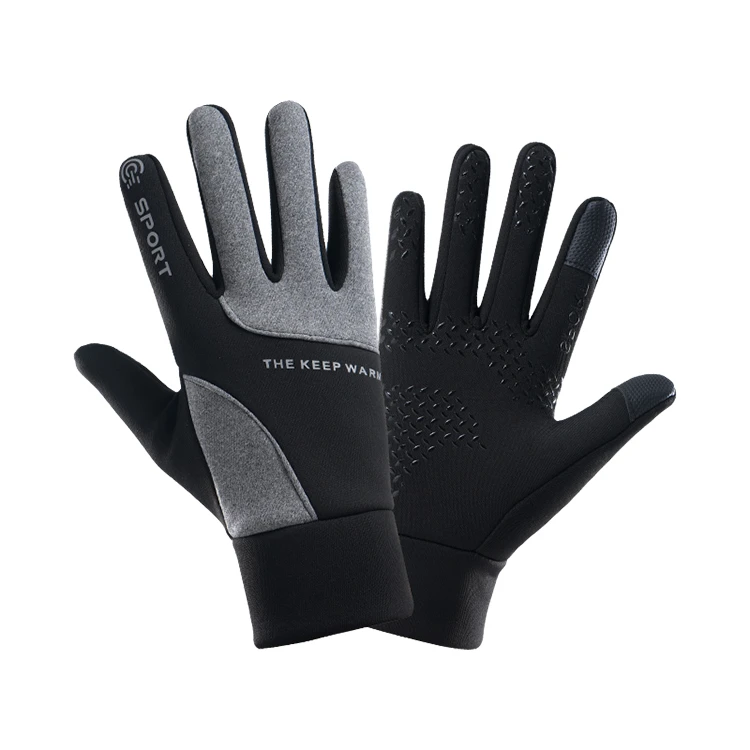

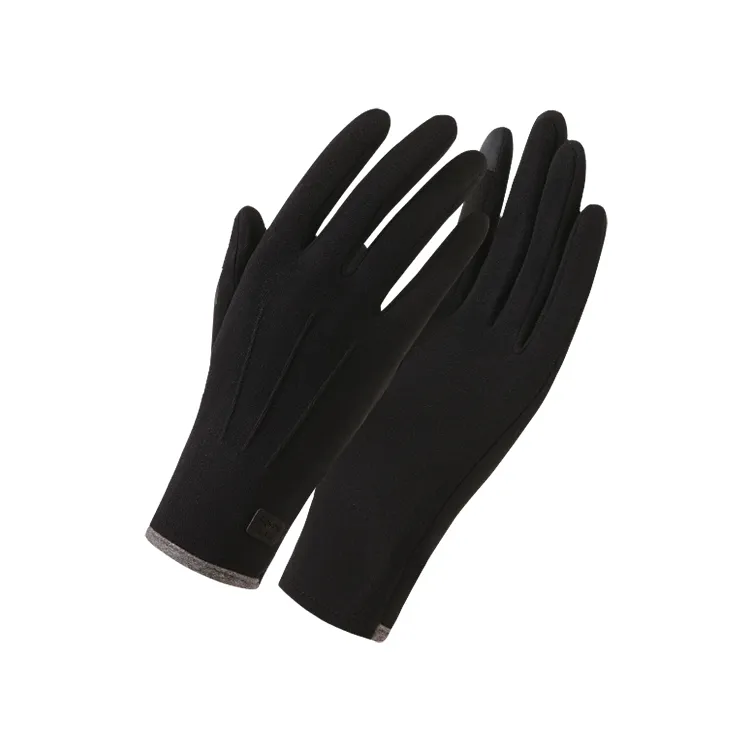

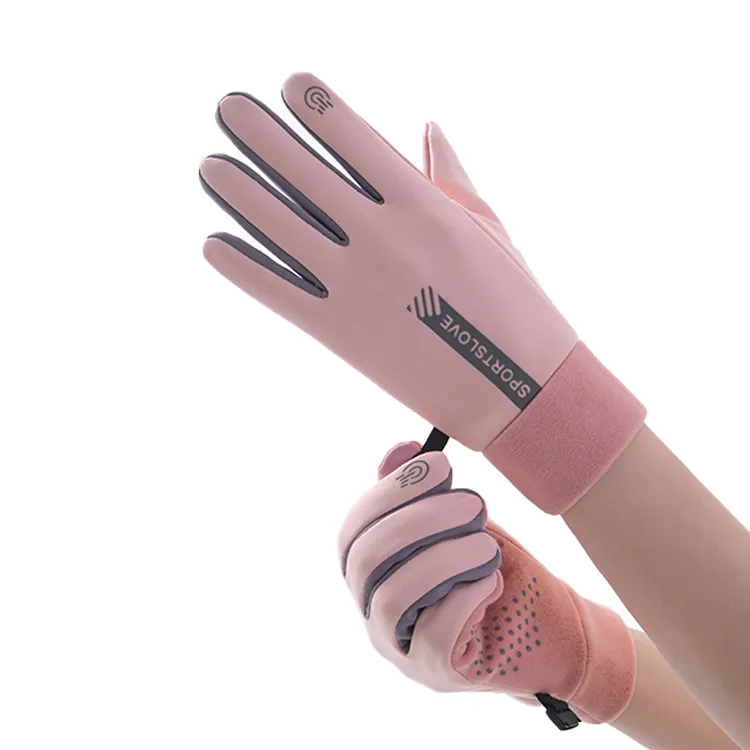


tactical touch screen gloves
/The Imperative of Seamless Interaction: An Introduction to Advanced Touch Screen Gloves In an increasingly digitized world, the interaction with touch-enabled devices has become ubiquitous, transcending personal use into critical industrial and professional applications. However, traditional gloves, while offering protection or warmth, inherently impede this interaction, necessitating their removal and thereby compromising efficiency, safety, or comfort. This fundamental challenge has driven the innovation and widespread adoption of advanced touch screen gloves . These specialized gloves are engineered with conductive materials integrated into their design, enabling users to operate smartphones, tablets, industrial control panels, and other capacitive touch screens without exposure to elements or sacrificing dexterity. From construction sites where safety is paramount, to logistics hubs requiring rapid data entry, and medical environments demanding sterile interactions, the utility of these gloves is profound. They bridge the gap between human needs for protection and the pervasive requirement for digital interface, thereby enhancing productivity and maintaining user comfort across a vast spectrum of environments. The sophisticated design and material science behind these gloves are pivotal, ensuring both high performance and ergonomic comfort for prolonged use. The market for conductive gloves, encompassing everything from casual phone gloves for everyday use to robust industrial-grade solutions, has seen exponential growth. This growth is fueled by diverse applications ranging from outdoor sports and cold-weather activities to critical professional sectors such as emergency services, field engineering, and high-tech manufacturing. The demand for seamless interaction under challenging conditions – be it extreme cold, the necessity for a firm grip, or protection against contaminants – positions touch screen gloves as an indispensable tool. Beyond mere functionality, modern iterations emphasize durability, breathability, and aesthetic appeal, catering to a diverse user base. Innovations in conductive yarn technology, material composites, and manufacturing processes have significantly improved their responsiveness and longevity. This comprehensive article delves into the intricate world of touch screen gloves , exploring their technological underpinnings, diverse applications, manufacturing excellence, and the crucial factors that define their superior performance, providing a robust resource for B2B decision-makers seeking optimal solutions. The evolution of touch screen technology itself, particularly the widespread adoption of capacitive screens, has been the primary catalyst for the development of these specialized gloves. Capacitive screens detect human touch by sensing the electrical properties of the human body, specifically the skin's conductivity. Traditional gloves, typically made of insulating materials like wool or cotton, block this electrical signal, rendering them incompatible with such screens. The breakthrough came with the integration of conductive elements—ranging from specialized silver-infused fibers to conductive coatings—into the glove material, often at the fingertips, or even throughout the entire glove fabric. This allows the glove to mimic the electrical conductivity of human skin, thus enabling the touch screen to register inputs accurately. The precision of this conductivity is crucial; it must be sufficient to register a touch without creating false inputs or requiring excessive pressure. This delicate balance of conductivity, coupled with the primary function of the glove (warmth, protection, grip), forms the core engineering challenge that manufacturers continually refine, leading to a spectrum of products from thin, flexible phone gloves to highly protective and rugged variants designed for extreme industrial environments. Moreover, the utility of touch screen gloves extends far beyond merely operating a mobile device in cold weather. In professional settings, they are transformative. For logistics personnel, they eliminate the need to remove gloves to scan barcodes or operate handheld terminals, significantly increasing throughput and reducing the risk of frostbite in cold storage facilities. For field technicians, they ensure continuous connectivity and access to diagnostic tools in challenging outdoor conditions. In cleanroom environments, specialized versions maintain sterility while allowing precise interaction with sensitive equipment. The integration of advanced features such as anti-slip grips, water-resistant membranes, and reinforced palms further enhances their value proposition in these demanding applications. The choice of material, from natural fibers like leather in leather touchscreen gloves that offer superior grip and durability, to synthetic blends offering flexibility and quick-drying properties, is dictated by the specific application and environmental demands. This foundational understanding sets the stage for a deeper dive into the technical intricacies, manufacturing processes, and diverse applications that define the modern landscape of touch screen gloves , highlighting their indispensable role in an increasingly connected and challenging world. The focus remains on delivering high-performance solutions that balance functionality with user comfort and durability, crucial considerations for B2B procurement and strategy. Industry Trends and Market Dynamics: Shaping the Future of Touch Screen Gloves The global market for smart gloves, including advanced touch screen gloves , is experiencing robust expansion, driven by pervasive digitalization, the proliferation of wearable technology, and the escalating demand for operational efficiency across various industries. According to a report by Grand View Research, the global smart glove market size was valued at USD 1.3 billion in 2022 and is projected to grow at a compound annual growth rate (CAGR) of 18.5% from 2023 to 2030. This impressive growth trajectory underscores the critical role these devices play in modern workflow optimization and user interaction with technology. Key trends include the miniaturization of conductive components, the integration of advanced sensors for biometrics or gesture control, and the emphasis on sustainable and recycled materials in their production. Furthermore, the diversification of materials—from traditional textiles infused with conductive threads to innovative synthetic blends and high-performance leathers—is expanding the utility and aesthetic appeal of these gloves, catering to a broader spectrum of consumer and industrial needs, including specialized gloves touch screen women's which combine functionality with ergonomic fit and style. The increasing adoption of IoT (Internet of Things) devices and the continued expansion of 5G networks are significant accelerators for the touch screen gloves market. As more devices become connected and reliance on real-time data access grows, the ability to interact seamlessly with these devices in any environment becomes paramount. This is particularly true in sectors like logistics, manufacturing, and healthcare, where personnel frequently operate in conditions unsuitable for bare-hand interaction with screens. The COVID-19 pandemic also inadvertently highlighted the importance of hygienic interaction, further boosting the demand for gloves that allow device usage without direct skin contact, thereby reducing contamination risks. Additionally, the rise of the outdoor recreation and adventure sports industries has fueled innovation in durable, weather-resistant touch screen gloves and touchscreen mittens , which provide essential warmth and protection while maintaining connectivity for navigation, communication, and photography. Manufacturers are responding by developing more robust, insulated, and water-repellent options suitable for extreme conditions. Technological advancements are not limited to conductivity. Innovations in glove design now include enhanced ergonomic fit, improved breathability through advanced membrane technology, and superior grip patterns for better handling of tools or devices. For industrial applications, the integration of impact protection, cut resistance, and chemical resistance alongside touch screen functionality is becoming standard. This multi-functional approach ensures that the gloves not only enable touch screen interaction but also fulfill their primary role as protective equipment. Furthermore, there is a growing trend towards customization and specialized solutions, particularly in the B2B sector. Companies are seeking touch screen gloves tailored to specific occupational hazards, temperature requirements, or even corporate branding. This shift from generic products to highly specialized, performance-driven solutions represents a significant market dynamic. The emphasis on user experience, combining advanced functionality with comfort and durability, is paramount. This includes refined tactile feedback, ensuring that users can perform intricate tasks with precision, whether typing on a small screen or manipulating controls on a large industrial interface. The continuous feedback loop from end-users, especially in high-stakes environments, drives iterative improvements in design and material science, leading to more responsive and reliable products that genuinely enhance productivity and safety. The competitive landscape is also evolving, with increasing consolidation among manufacturers and a growing emphasis on intellectual property and proprietary conductive technologies. Companies that can demonstrate superior conductivity, long-term durability of conductive elements, and a diverse product range are gaining market share. Partnerships between glove manufacturers and technology companies are also emerging, leading to integrated solutions that combine gesture recognition, haptic feedback, or even vital sign monitoring capabilities with touch screen functionality. This convergence of capabilities transforms simple conductive gloves into sophisticated wearable interfaces. For instance, some advanced prototypes feature embedded sensors that can detect specific hand movements for gesture control, or even measure grip strength for ergonomic analysis in industrial settings. This multi-layered innovation pipeline ensures that the market for touch screen gloves remains dynamic and responsive to emerging technological paradigms and evolving end-user requirements. The commitment to research and development, particularly in novel conductive yarns and smart textile integration, is pivotal for maintaining a competitive edge and delivering next-generation solutions that truly empower the workforce and enhance daily digital interactions. This includes addressing niche markets with specific aesthetic or ergonomic demands, such as the growing segment for gloves touch screen women's which prioritize fit and style without compromising on technical performance, underscoring the broad and inclusive nature of this expanding market. Understanding the Technology: Technical Parameters of High-Performance Touch Screen Gloves The effectiveness of touch screen gloves hinges on a precise understanding and application of several critical technical parameters. At its core, the technology revolves around mimicking the natural conductivity of human skin to interact with capacitive touchscreens. Capacitive screens operate by detecting disruptions in an electrostatic field. When a conductive object, like a bare finger, approaches the screen, it draws a small electrical charge, which the device registers as a touch. Traditional glove materials, such as wool or standard synthetic fabrics, are insulators, meaning they do not conduct electricity and thus prevent this interaction. The innovation in touch screen gloves lies in integrating conductive materials that can transfer this electrical charge from the user's hand to the screen. The most common conductive materials include silver-infused nylon, copper-infused fabrics, or specialized conductive coatings applied to the fingertips. The choice of material and its integration method significantly impact responsiveness, durability, and overall performance. Key technical parameters to consider include Conductivity Level, which dictates how reliably and sensitively the glove interacts with the screen. This is often measured in ohms per square (Ω/sq) for sheet resistance, with lower values indicating higher conductivity. High-quality touch screen gloves ensure consistent conductivity across the entire contact surface, preventing dead spots or delayed responses. Material Composition is another vital parameter, balancing conductivity with other functional requirements like warmth, breathability, durability, and flexibility. Common materials include acrylics, polyester, nylon, and spandex blends, often combined with natural fibers like wool or leather, as seen in leather touchscreen gloves . The blend ratio is critical to optimize properties such as insulation, moisture-wicking, and stretch. For example, a higher spandex content enhances dexterity, crucial for precision tasks. Touch Point Design refers to how the conductive elements are integrated. Some gloves feature conductive patches only on specific fingertips (thumb, index, middle finger), while others incorporate conductive yarn throughout the entire glove. Full-hand conductivity offers greater flexibility in interaction but can be more challenging to manufacture consistently. Dexterity is a subjective but critical parameter, especially in professional settings where fine motor skills are required. High-performance gloves achieve a balance between thermal insulation and a thin enough profile to allow for natural hand movement and tactile feedback. This is particularly important for tasks like typing on a virtual keyboard or manipulating small objects while wearing gloves. Durability and Longevity of Conductive Properties are paramount. The conductive elements must withstand repeated washing, abrasion, and exposure to various environmental conditions without losing their functionality. Inferior gloves may lose their touch screen capabilities after only a few uses or washes, undermining their utility. Manufacturers employ various techniques, such as weaving conductive threads directly into the fabric rather than just applying a coating, to enhance this longevity. Furthermore, Thermal Insulation and Weather Resistance (waterproofing, windproofing) are crucial for gloves used in cold or wet environments. Materials like fleece, Thinsulate™, or Gore-Tex™ membranes are often layered with conductive fabrics to provide warmth and protection without compromising touch functionality. Grip Enhancement features, such as silicone patterns on the palm or specialized textures, are also critical for secure handling of devices or tools, particularly for phone gloves or industrial applications. Finally, Compliance with Industry Standards such as ISO (International Organization for Standardization) for quality management (e.g., ISO 9001) or specific ANSI (American National Standards Institute) standards for protective qualities (e.g., ANSI/ISEA 105 for hand protection) ensures that the gloves meet rigorous performance and safety benchmarks. Understanding these parameters enables informed selection of touch screen gloves that truly meet the demanding requirements of B2B applications, ensuring optimal performance, longevity, and user satisfaction, while also considering specific ergonomic needs, as seen in dedicated designs for gloves touch screen women's that prioritize fit and comfort. The Manufacturing Precision: Crafting High-Performance Touch Screen Gloves The manufacturing process of high-quality touch screen gloves is a sophisticated blend of textile engineering, material science, and precision assembly, far removed from generic glove production. It begins with the meticulous Material Selection, which is paramount for balancing conductivity, comfort, durability, and specific environmental resistance. For the conductive elements, materials like silver-coated nylon fibers, copper-infused yarns, or specialized conductive polymers are chosen. These are then integrated with base fabrics such as high-performance polyester, acrylic, merino wool, or synthetic blends like spandex for elasticity. For premium products like leather touchscreen gloves , carefully selected leather hides are treated to ensure flexibility and durability, with conductive materials either integrated directly into the leather or as conductive patches. The base fabric also dictates properties such as warmth (e.g., fleece, Thinsulate™), breathability (e.g., moisture-wicking synthetics), and water resistance (e.g., hydrophobic coatings or laminated membranes like Gore-Tex™). Following material selection, the Knitting or Cutting Process commences. For knitted gloves, computer-controlled knitting machines precisely weave the chosen yarns, including the conductive threads, into the desired glove shape. This can involve integrating conductive yarn throughout the entire glove fabric or strategically placing it only at the fingertips using specialized knitting patterns. For cut-and-sew gloves, especially those made from leather or composite materials, precision cutting machines (often CNC-guided for complex patterns) cut individual glove components from large sheets of fabric or leather. The accuracy of this stage is crucial for ensuring a proper fit and minimizing material waste. The integration of conductive elements at this stage is critical; for example, conductive patches might be pre-cut and then incorporated into the design during assembly, or conductive thread might be used in the stitching process itself to create conductive seams. The subsequent stage is Assembly and Stitching. This involves joining the various cut pieces or finishing the knitted forms. Highly skilled operators use specialized industrial sewing machines to stitch the glove components together. For touch screen gloves , particular attention is paid to the conductive areas. If conductive patches are used, they are precisely sewn onto the fingertips. If conductive thread is integrated into the knit, the stitching ensures that the conductive pathways remain unbroken and effective. Flatlock seams are often preferred for comfort and durability, reducing chafing, especially in form-fitting phone gloves . Any additional features like grip patterns (e.g., silicone prints), reinforced palms, adjustable cuffs, or pull tabs are also integrated during this phase. This stage often involves manual quality checks to ensure seam integrity and the accurate placement of all components. Quality Control and Testing are integral throughout the manufacturing process but culminate in rigorous final inspection. Each glove undergoes multiple checks to ensure functional performance and adherence to specifications. Conductivity Testing is performed using specialized equipment to verify that the touch points effectively transmit electrical signals and interact reliably with capacitive screens. This involves testing sensitivity and accuracy across various touch gestures. Other tests include Durability Testing (e.g., abrasion resistance, tear strength, pilling resistance), Thermal Performance Testing (insulation properties in controlled environments), Water Resistance Testing (for waterproof models), and Fit and Ergonomics Assessment. Compliance with international standards such as ISO 9001 for Quality Management Systems, ANSI/ISEA 105-2016 for Hand Protection, and OEKO-TEX Standard 100 for textile safety (ensuring no harmful substances) is often verified at this stage. These rigorous testing protocols ensure that each pair of touch screen gloves meets the highest benchmarks for performance, safety, and longevity, making them suitable for demanding industrial and professional applications. The entire process, from design concept to final packaging, is streamlined to maximize efficiency while upholding the highest quality standards, ensuring client satisfaction and product reliability in diverse operational contexts. The emphasis on precision, particularly for the conductive elements, is what differentiates a high-performing product from a novelty item, providing tangible value in scenarios requiring seamless digital interaction. Diverse Applications and Industry Integration: Where Touch Screen Gloves Excel The versatility of high-performance touch screen gloves extends across a myriad of industries, offering invaluable solutions that enhance efficiency, safety, and comfort. Their core advantage lies in enabling uninterrupted interaction with digital interfaces in environments where traditional gloves would necessitate their removal, leading to lost time, compromised safety protocols, or discomfort. In the Logistics and Supply Chain sector, for instance, warehouse operators and delivery personnel frequently use handheld scanners and tablets. In cold storage facilities or during outdoor deliveries in winter, removing gloves to operate these devices can lead to frostbite or significant time delays. Touch screen gloves eliminate this friction, allowing seamless scanning, data entry, and signature capture, thereby dramatically improving operational speed and employee well-being. A leading logistics firm reported a 15% increase in scanning efficiency during winter months after equipping their entire workforce with these specialized gloves. In Manufacturing and Automation, particularly in cleanroom environments or facilities with strict hygiene protocols, touch screen gloves play a crucial role. Technicians operating sensitive machinery, quality control systems, or robotic interfaces need to maintain sterility while interacting with touch panels. Specialized anti-static, lint-free, and cleanroom-compatible versions ensure that touch functionality is maintained without compromising environmental purity. Similarly, in heavy industries, where gloves offer essential protection against abrasions, cuts, or chemicals, integrating touch screen capability allows operators to interact with control systems without removing their protective gear, maintaining a continuous safety barrier. This is critical in environments where the integrity of personal protective equipment (PPE) cannot be compromised. For Outdoor Professionals and Field Technicians, including utility workers, construction crews, and telecommunications engineers, robust touch screen gloves are indispensable. These professionals often work in challenging weather conditions, where the ability to use tablets for schematics, smartphones for communication, or GPS devices for navigation without exposing hands to cold, rain, or snow is vital. Models designed with waterproof and windproof membranes, such as touchscreen mittens for extreme cold, ensure both protection and connectivity. For example, a major telecommunications company reported a 20% reduction in equipment damage incidents in adverse weather, attributed to technicians no longer needing to remove gloves to operate devices, thereby improving grip and reducing exposure to elements. The Emergency Services sector (police, fire, paramedics) benefits immensely from these gloves. First responders often operate in high-stress, rapidly evolving situations where quick access to communication devices, GPS, or medical equipment with touch interfaces is critical. Durable, cut-resistant, and flame-retardant touch screen gloves provide both protection and seamless digital interaction. For instance, police officers can operate in-vehicle computers or mobile data terminals without taking off their duty gloves, maintaining readiness. Beyond these core B2B applications, there's a significant consumer market, where phone gloves have become essential accessories for daily commuters, outdoor enthusiasts, and even for casual use in colder climates. This broad spectrum of applications, from highly specialized industrial needs to widespread consumer adoption, solidifies the position of touch screen gloves as a crucial enabling technology in our increasingly digital and connected world, ensuring that human interaction with technology remains fluid and unhindered, irrespective of environmental or occupational demands. The design considerations for each sector are unique; for example, leather touchscreen gloves are favored in some roles for their durability and classic feel, while highly flexible synthetic options are preferred for sports, demonstrating the adaptability of the technology. Unlocking Advantages: Why Choose Advanced Touch Screen Gloves Investing in advanced touch screen gloves offers a multitude of tangible benefits that extend beyond mere convenience, directly impacting productivity, safety, and operational efficiency for businesses. The primary and most significant advantage is the Seamless Digital Interaction they facilitate. By enabling precise and responsive control of touch-enabled devices without needing to remove protective or insulating handwear, these gloves eliminate the constant interruption to workflows. This is particularly crucial in environments where every second counts, such as logistics, field service, or emergency response. The ability to quickly input data, navigate software interfaces, or communicate instantly without fumbling with gloves translates directly into increased output and reduced operational delays. This efficiency gain is not just theoretical; companies consistently report significant improvements in task completion times and overall throughput after integrating these gloves into their operations. Beyond efficiency, advanced touch screen gloves significantly enhance Safety and Compliance. In industrial settings, gloves often serve as critical Personal Protective Equipment (PPE) against cuts, abrasions, chemicals, or extreme temperatures. Traditional gloves, if removed to operate a touchscreen, expose the wearer to these hazards. By providing touch functionality, these specialized gloves ensure that protective barriers remain intact at all times, drastically reducing the risk of injuries. This continuous protection aids in compliance with workplace safety regulations and reduces the incidence of work-related accidents, leading to lower insurance costs and a safer working environment. For example, in cold storage facilities, the use of proper insulated touch screen gloves prevents cold stress injuries like frostbite, maintaining worker health and productivity. Another profound advantage is Enhanced Comfort and Worker Morale. Employees working in cold climates or uncomfortable environments are less likely to remove their gloves if they can still operate their devices. This continuous warmth and protection contribute significantly to worker comfort, which in turn boosts morale and reduces fatigue. Comfortable employees are more productive and less prone to errors. For example, anecdotal evidence from outdoor sports enthusiasts and professionals using touchscreen mittens in sub-zero temperatures often highlights the sheer relief of not having to expose hands to frigid air just to send a text or check a map. This principle applies equally to industrial workers facing similar environmental challenges, ensuring sustained focus and performance. Furthermore, the Durability and Longevity of high-quality touch screen gloves represent a strong economic benefit. Unlike cheaper alternatives that quickly lose their conductivity or wear out, premium gloves, especially those featuring robust construction and superior materials like specialized conductive fibers or treated leather in leather touchscreen gloves , offer extended service life. This reduces the frequency of replacements, leading to significant cost savings over time for businesses. The initial investment is quickly recouped through increased productivity, reduced injury rates, and prolonged product lifespan. The integration of anti-pilling materials, reinforced stitching, and advanced membrane technologies (e.g., for waterproofing or breathability) contributes to overall resilience, making them a wise long-term investment. Ultimately, the decision to equip a workforce with advanced touch screen gloves is a strategic one, yielding substantial improvements in operational efficiency, worker safety, and overall job satisfaction, translating directly into a healthier bottom line and a more agile, technologically empowered workforce across various demanding sectors. This holistic advantage positions them as an essential tool in modern enterprise. Selecting Your Partner: A Comparative Analysis of Touch Screen Glove Solutions Choosing the right provider for touch screen gloves is a critical decision for B2B entities, as it directly impacts performance, cost-effectiveness, and long-term reliability. The market offers a wide spectrum of solutions, ranging from generic phone gloves for casual use to highly specialized industrial-grade protective gear. When evaluating potential manufacturers or suppliers, several key aspects should be rigorously compared to ensure the chosen solution aligns perfectly with organizational requirements and operational environments. Firstly, Technological Expertise and Conductive Material Integration are paramount. Leading manufacturers possess proprietary conductive yarn technologies (e.g., advanced silver-coated fibers, unique copper blends) and sophisticated knitting or weaving processes that ensure superior and consistent touch screen responsiveness across the glove’s lifespan. Inferior products often use less durable conductive coatings that degrade rapidly with use and washing, leading to poor user experience and premature replacement needs. Secondly, Material Quality and Construction Durability are crucial. A comprehensive comparison should assess the base materials used (e.g., high-grade acrylics, breathable polyester, premium leather touchscreen gloves , or specialized composite fabrics) and their suitability for the intended application. For industrial use, features like reinforced stitching, anti-abrasion panels, and cut-resistant liners are non-negotiable. For cold weather, the insulation layers (e.g., Thinsulate, fleece) and waterproof/windproof membranes are critical differentiators, especially for products like touchscreen mittens . Manufacturers often provide detailed specifications on material composition, weight, and performance ratings (e.g., EN388 for mechanical risks, EN511 for cold resistance), which should be carefully scrutinized. Thirdly, Range of Customization Options is a significant factor for businesses with unique requirements. While some manufacturers offer standard sizes and colors, premier suppliers provide extensive customization, including bespoke sizing (e.g., specialized gloves touch screen women's sizing for optimal fit), integration of company logos, specific material blends for extreme conditions, or even specialized features like fingerless options with foldable touch screen gloves caps. This allows organizations to procure gloves that not only perform optimally but also reinforce brand identity and meet specific ergonomic or safety needs tailored to their workforce. A strong partner will have a dedicated R&D team capable of prototyping and developing solutions for niche applications or complex operational challenges. Finally, Certifications, Customer Support, and After-Sales Service are vital indicators of a reliable partner. Reputable manufacturers will hold internationally recognized certifications (e.g., ISO 9001 for quality management, CE marking for European conformity, industry-specific safety standards). They should also offer comprehensive customer support, including technical assistance, clear warranty policies, efficient delivery logistics, and readily available replacement parts or repair services. A transparent returns policy and responsive communication channels are also key. Businesses should request case studies, client testimonials, and product samples to evaluate real-world performance and service quality. Conducting pilot programs with different vendors' products can provide invaluable practical insights into their suitability for your specific operational context. The overall value proposition, balancing product performance, durability, customization capabilities, and excellent customer service, ultimately defines the superior partner in the procurement of advanced touch screen gloves for any discerning B2B client seeking long-term value and operational excellence. Tailored Excellence: Custom Solutions for Unique Demands of Touc
quality and competitive market prices.
-
Glove Sample Creation

 Glove Sample CreationCreate glove samples based on customers' designs and specifications, ensuring counter samples are completed and approved for production.
 -
Custom Branded Accessories Development

 Custom Branded Accessories DevelopmentSupport customers in sourcing and designing accessories and packaging with their private brand for a customized touch.
 -
Private Label Glove Production

 Private Label Glove ProductionManufacture gloves following approved samples with branded accessories, ensuring timely delivery of high-quality products.
 -
Quality Control and Testing

 Quality Control and TestingConduct thorough quality checks and testing throughout the production process to ensure gloves meet all customer requirements and industry standards before delivery.
Whether for work or sports, these gloves exceeded my expectations. Highly recommend to anyone looking for reliable hand protection!"